
As electric vehicles become more common, many homeowners start asking a practical question: can solar panels actually power an electric car, or is that just an ideal scenario?
The answer is yes, solar panels can power your electric vehicle. In fact, when designed correctly, a solar system can offset some or even all of the energy your car uses. The key is understanding how the system works and what it takes to support both your home and your vehicle.
How Solar Charging Works at Home
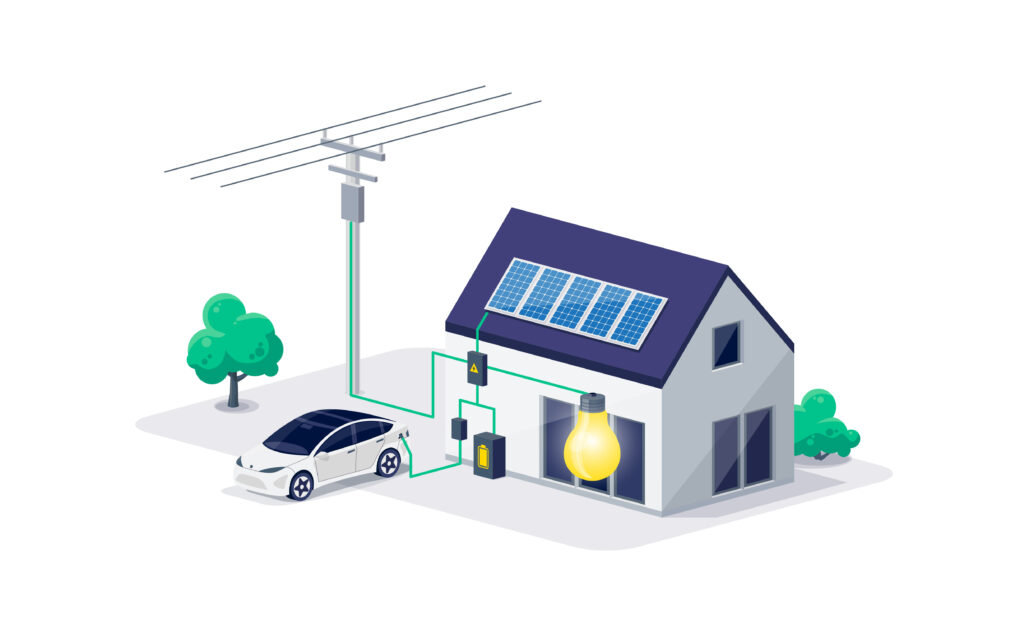
Solar panels generate electricity during the day, which is then used to power your home. Your electric vehicle charger draws from that same electrical system, meaning your car is ultimately powered by the energy your panels produce.
If your system generates more electricity than your home is using at a given time, that excess can go toward charging your vehicle. Depending on your setup, it may also be stored in a battery or sent back to the grid.
How Much Solar Is Needed to Charge an EV?
The amount of solar required depends on how much you drive and how efficient your vehicle is. On average, most electric cars use enough energy to require about 10 to 15 kilowatt-hours per day for typical driving.
In a sunny climate like Florida, a single solar panel can produce roughly 4 to 5 kilowatt-hours per day. That means it typically takes around three to five panels to cover the daily energy needs of an electric vehicle.
However, most homeowners are not installing solar just for their car. When you factor in your household electricity usage as well, a complete system will usually include more panels to cover both.
Charging During the Day vs. at Night
One of the most common questions is how this works when charging typically happens overnight. Solar panels generate electricity during daylight hours, so timing becomes an important consideration.
With a standard grid-tied system, your panels produce energy during the day, and any excess energy is credited or sent back to the grid. At night, when you plug in your vehicle, your home draws electricity from the grid. Over time, your solar production offsets your total usage, including what your car consumes.
If you want to rely more directly on solar energy at night, a battery storage system can store excess energy produced during the day and make it available when you need it. This approach provides more control and can be especially valuable during power outages, though it comes with a higher upfront investment.
Is It Worth It?
For many homeowners, combining solar panels with an electric vehicle creates a much more complete energy solution. Instead of paying for both electricity and fuel, you are generating your own energy and using it across your home and transportation.
Over time, this can significantly reduce your overall energy costs. While there is an upfront investment, the long-term savings and stability often make it worthwhile, particularly in areas with strong sunlight and high utility rates.
What to Consider Before Installing
If you are thinking about using solar to power your electric vehicle, it is important to plan your system with both in mind. Factors such as your daily driving habits, current electricity usage, roof space, and whether you want battery storage will all influence the final system design.
A well-designed system should account for your full energy needs, not just your home or your vehicle in isolation.
The Bottom Line
Solar panels can absolutely power your electric car, and for many homeowners, they already do. The real difference comes down to how the system is designed and whether it is built to support both your home and your driving habits effectively.
When done right, solar allows you to take control of your energy in a way that goes beyond lowering your electric bill. It changes how your home and your car are powered altogether.
